

Memo
Performance Score
Strong household manipulation focus and safety-first design. Scores high in intelligence and hardware potential, but the ecosystem is limited due to a closed platform and early deployment stage.
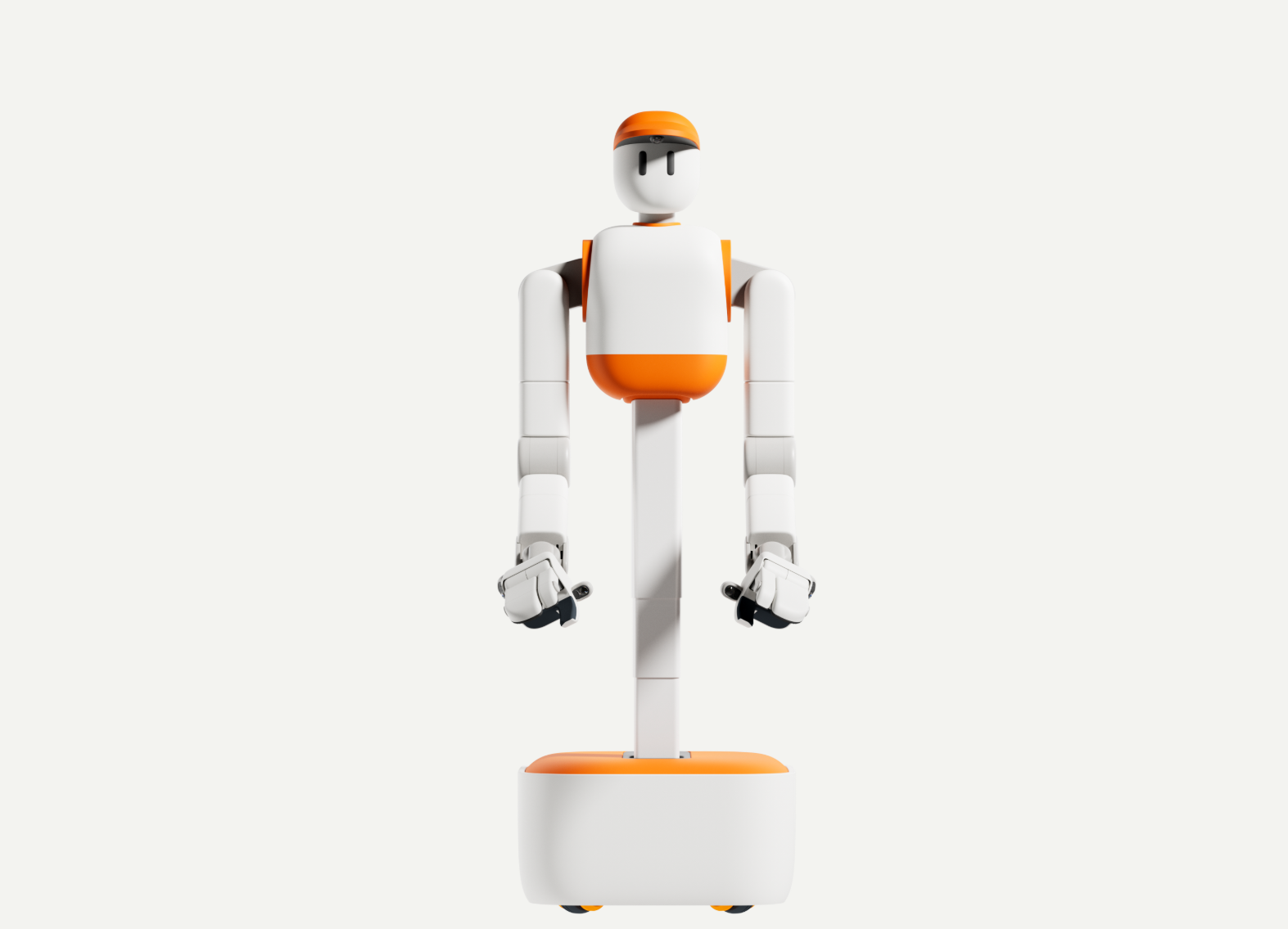
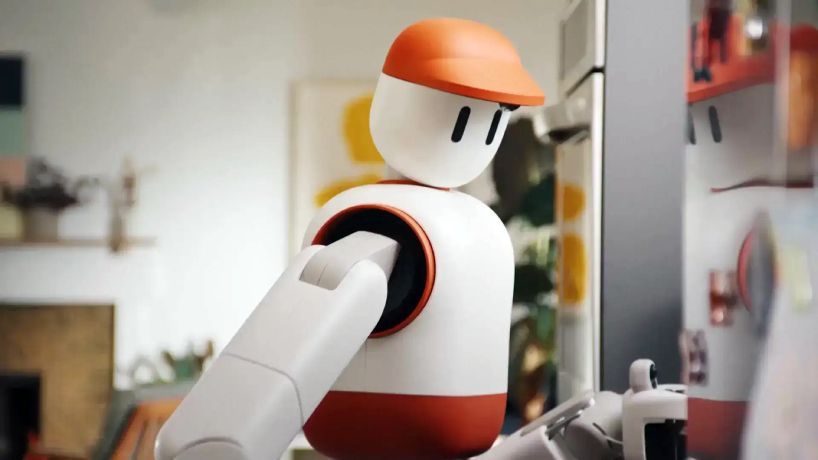
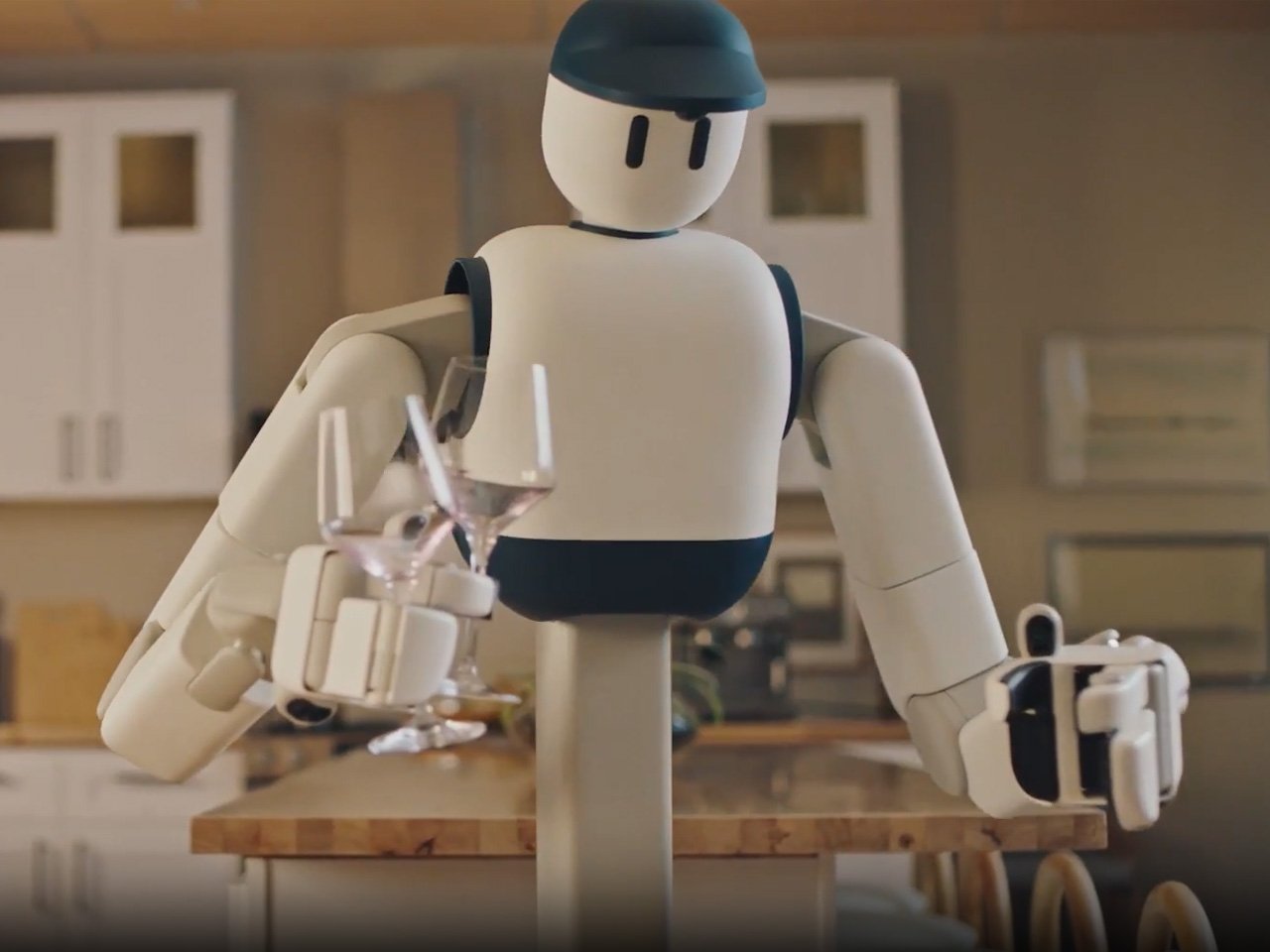
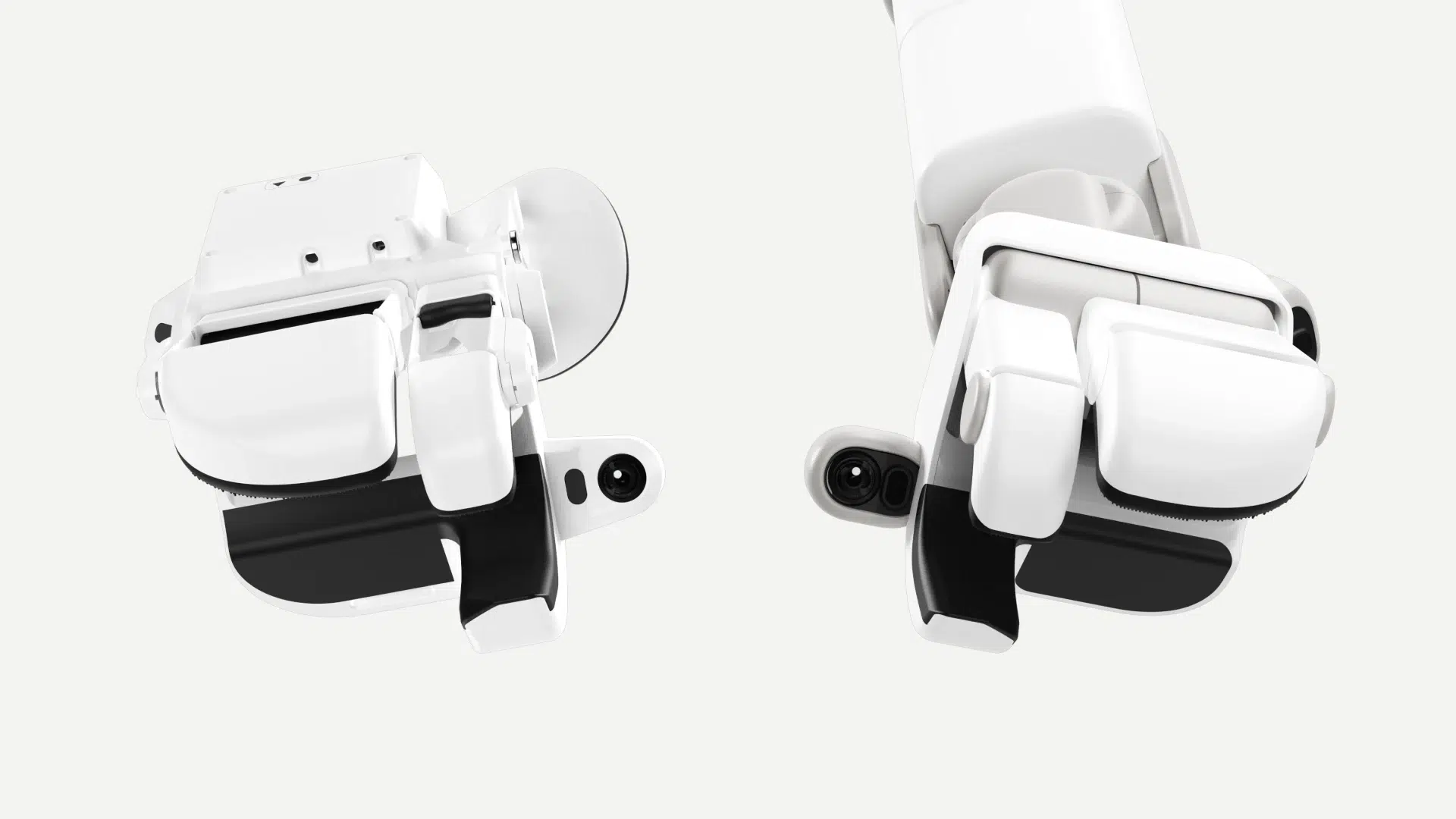
Real household training data
Safety-first, compliant design direction
Home manipulation focus (dishes, appliances, laundry workflows)
Clear roadmap and active iteration
Not commercially available yet
Closed ecosystem, limited third-party integrations
Many specs are not publicly disclosed
Home environment requirements are likely non-trivial
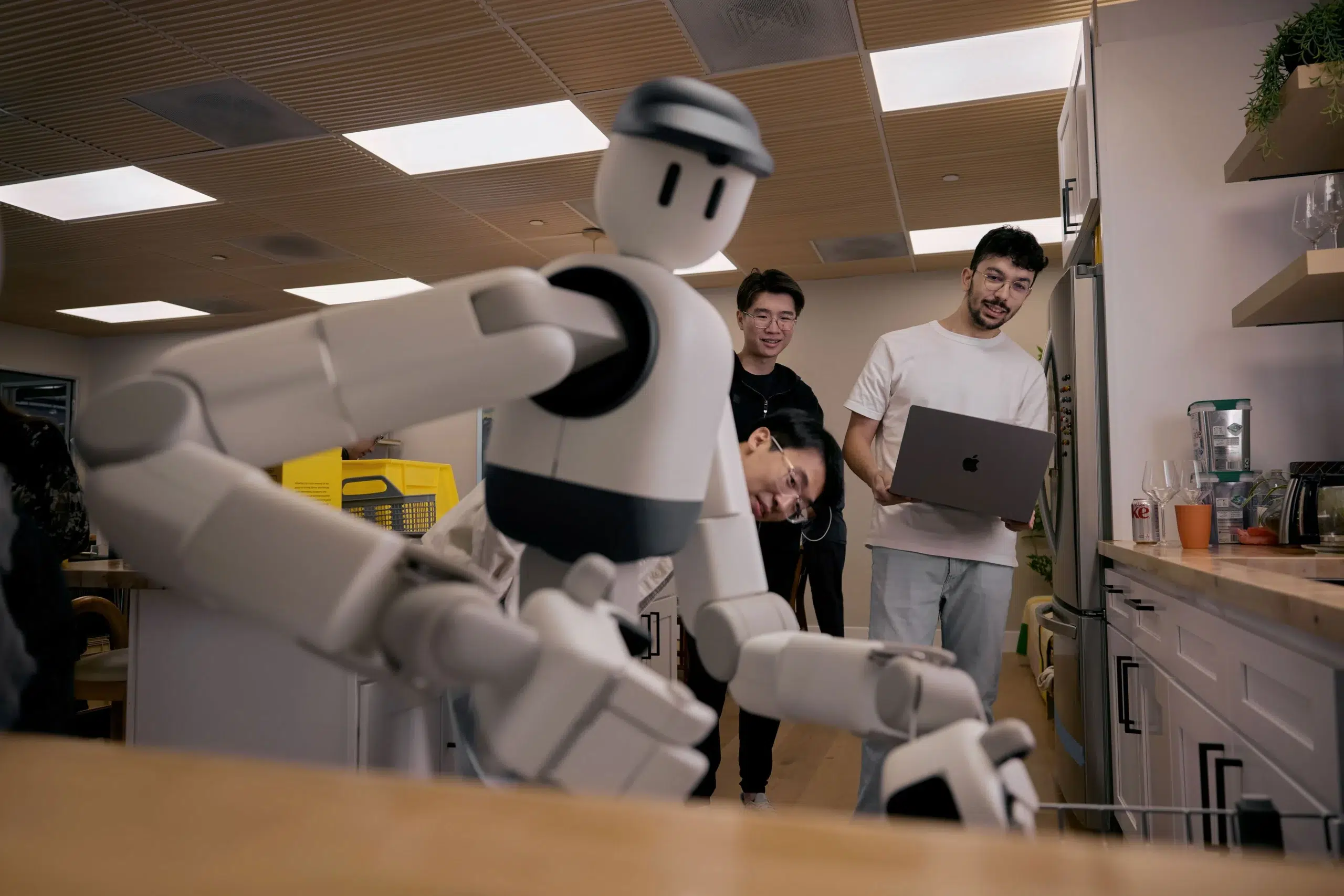
Memo is a home-first wheeled robot designed for contact-rich household chores like dish handling, table clearing, and appliance interaction. Sunday trains Memo using real demonstrations captured via its Skill Capture Glove, aiming for reliable, long-horizon task execution with a safety and comfort focus. A Founding Family Beta is planned for 2026.
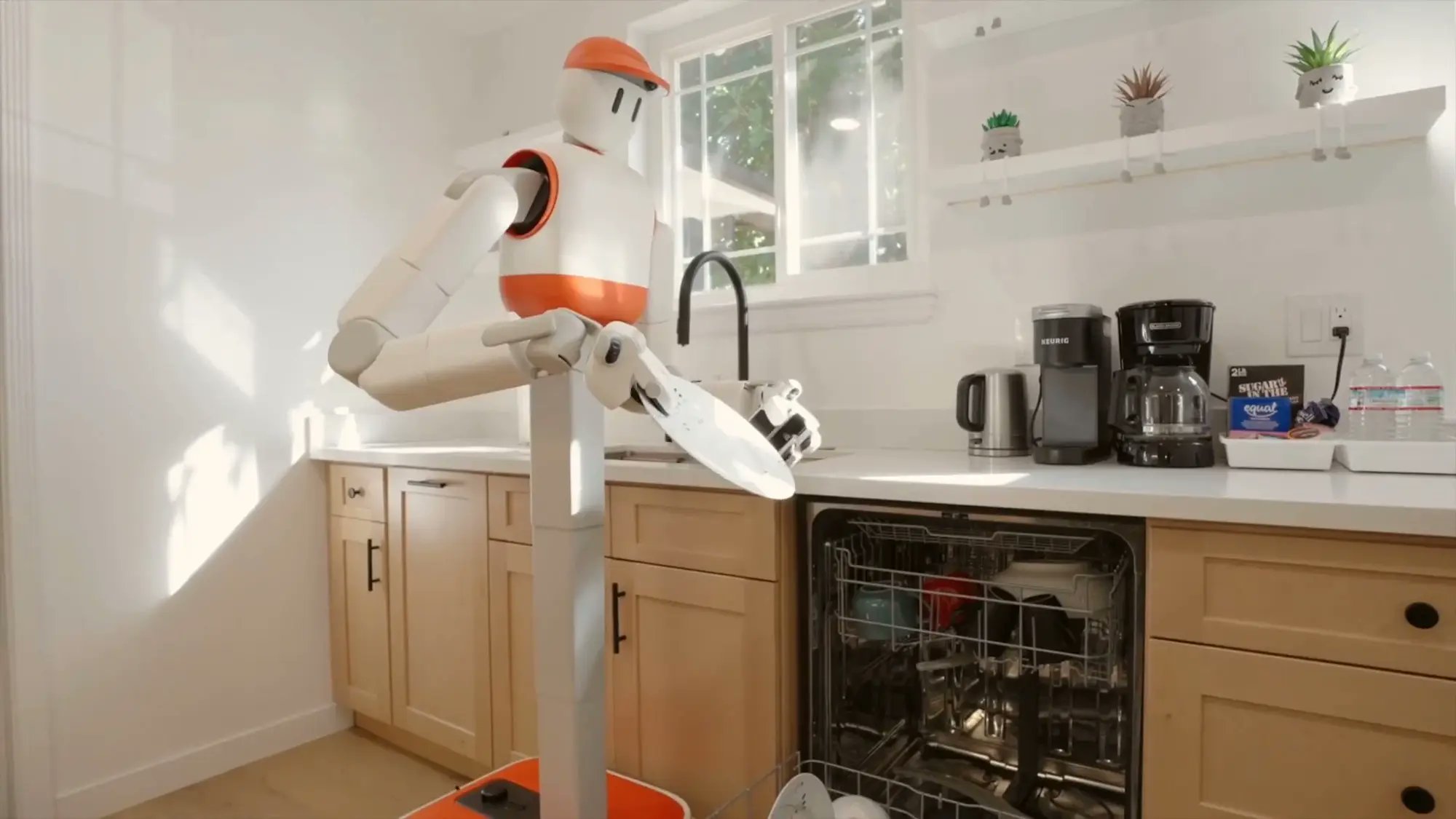
Memo (ACT-1) is a home-first robot from Sunday Robotics that aims at the real bottleneck in domestic robotics: contact-rich household manipulation in messy environments, clearing tables, handling delicate glassware, loading dishwashers, and operating common kitchen appliances. Our Sunday Robotics Memo robot is evidence-first. When Sunday Robotics or third parties have not published a spec or validation results, we label it as Not disclosed rather than inventing numbers.
What is Memo Home Robot?
How it learns
Sunday's central bet is a scalable data pipeline. Skills are taught through Skill Capture Glove demonstrations recorded by distributed "Memory Developers," then converted via a pipeline called Skill Transform. Sunday claims that Skill Transform translates glove demonstrations into equivalent robot training data with an approximately 90% success rate. Note: Sunday Robotics also states that ACT-1 was trained on zero robot data.Availability
The Sunday Robotics Memo is not available for purchase today. Sunday Robotics is accepting applications for a Founding Family Beta planned for late 2026 (50 households). Purchase availability is expected only after beta learnings are folded into scaled production.Cost signal
Sunday says a hand-built Memo costs about $20,000 today, and expects large-scale manufacturing to cut costs by at least 50%. Retail pricing is not announced.Scale timing
Sunday's beta program page indicates general availability depends on beta outcomes, with a current expectation of scaled shipping in 2027 to 2028.What Is the Sunday Robotics Memo Robot?
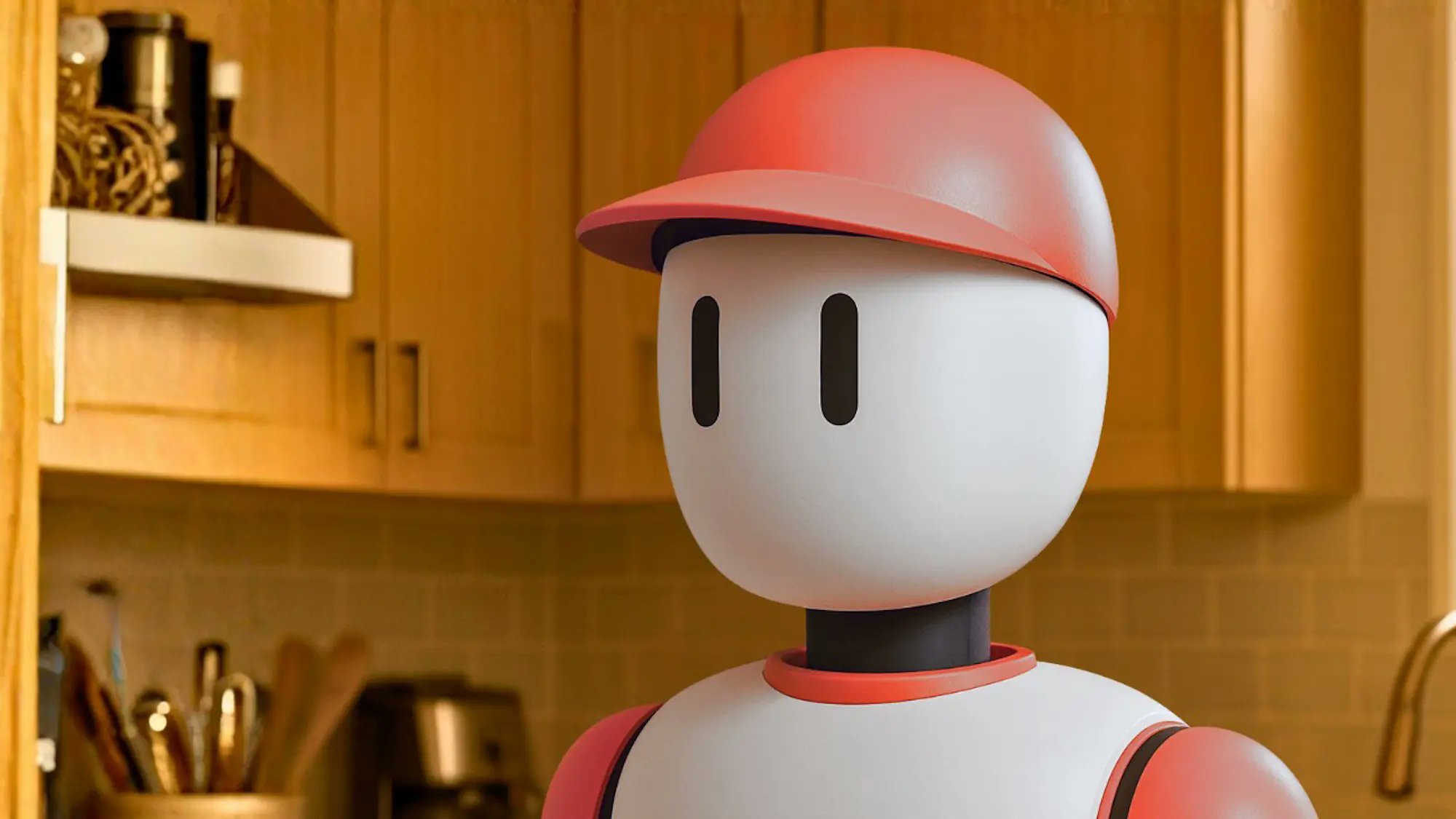
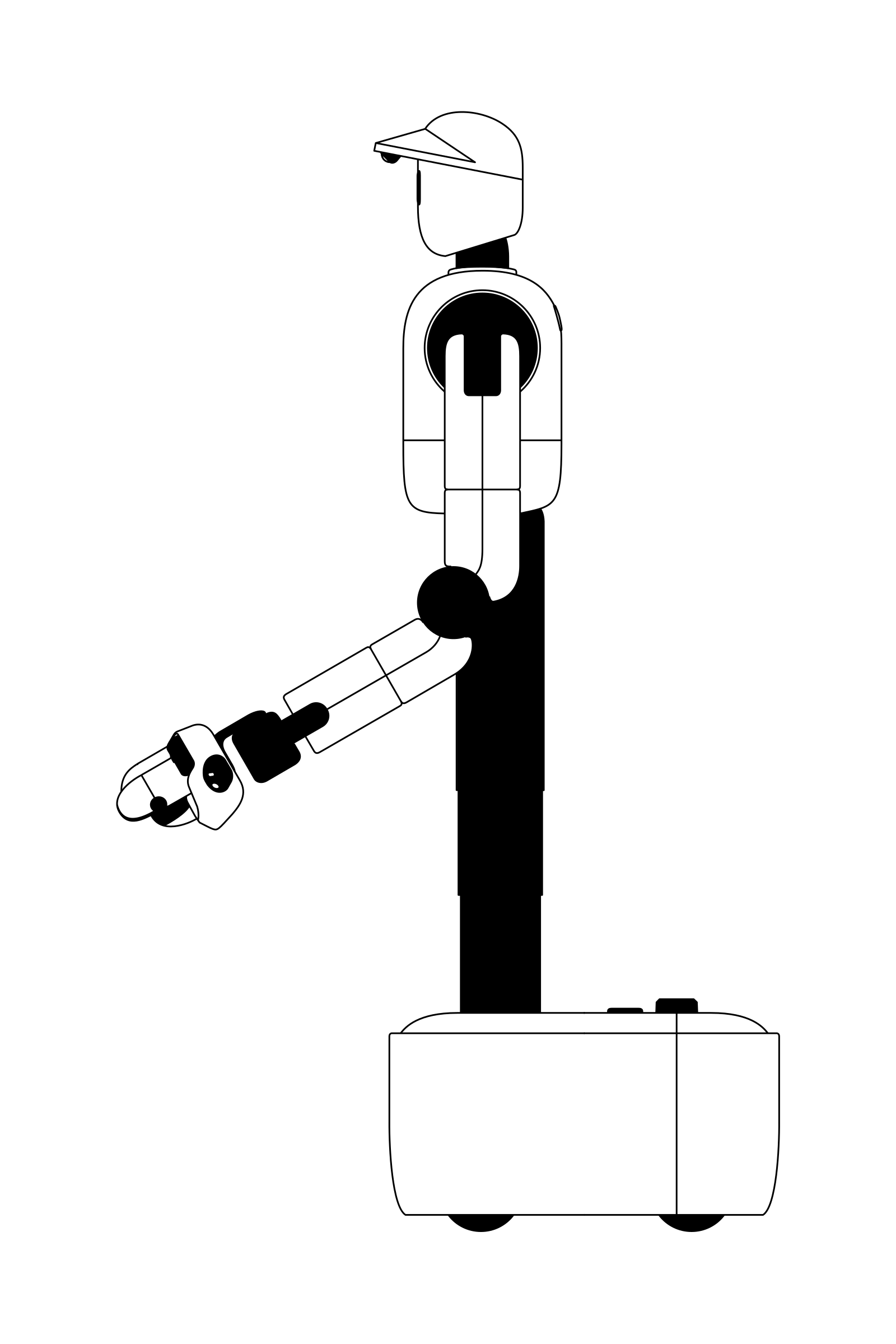
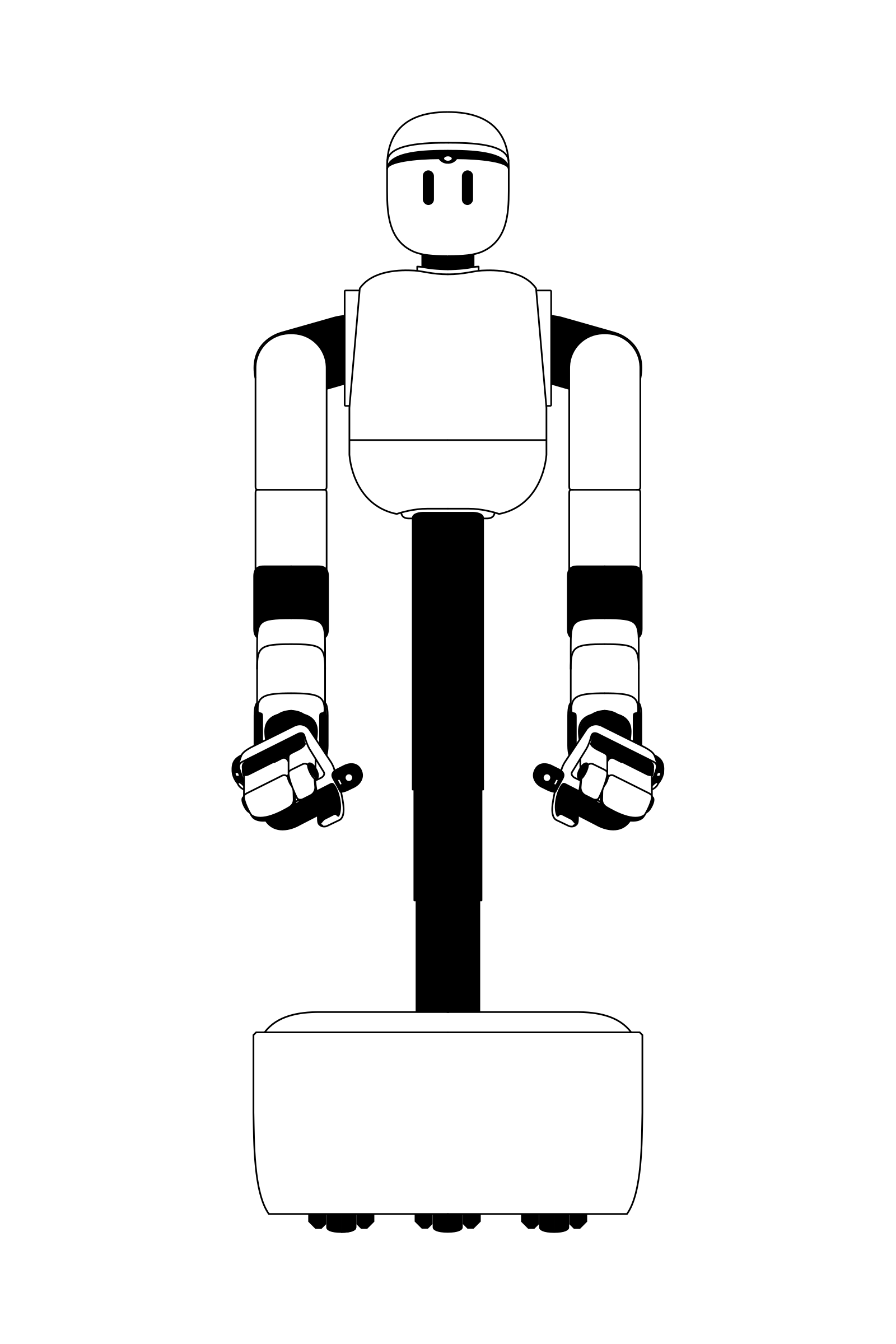
Memo is best described as a home robot built around stability-first engineering. The form factor is intentionally non-bipedal: a rolling base, a vertically adjustable spine/torso, and two arms with compact gripper-like hands. The product thesis is simple: in a typical home, the hardest part is not walking; it is grasping, placing, operating handles/buttons, and not breaking things, repeatedly.Confirmed physical/behavioural claims from primary sources
- Reach & working height: For most tasks, Memo rests at 4 feet and can reach as tall as 7 feet with its arms. (Sunday FAQ)
- Speed policy: Sunday says software enforces speed limits; they train Memo to move at ~50% of human pace for safety and precision critique. (Sunday FAQ)
- Safety primitives: low centre of gravity, stable wheelbase; passive stability (can cut power without sudden falls); compliant control. (Sunday FAQ; Press release)
The data strategy: why the glove matters
Sunday Robotics frames the core challenge as a data scaling deadlock: teleoperation can produce impressive demos, but gathering enough trajectories for a general-purpose home robot becomes slow and capital-intensive at scale. Their workaround is alignment between the glove and the robot hand, plus Skill Transform to reduce the “embodiment mismatch. Sunday also states it has shipped 2,000+ gloves to "Memory Developers.” (Sunday homepage)What can the Sunday Robotics Memo Robot do in Real Life?
Sunday's public FAQ lists three current skill clusters: Dishes (including loading and operating a dishwasher), Espresso extraction, and Sock handling. Sunday also explicitly says they are still improving reliability and generalisation, “so Memo can do them in your home out-of-the-box.” (Sunday FAQ)Confirmed task clusters (primary source)
- Dishes workflow: collect utensils/plates/cups and delicate wine glasses; clear napkins; dump food scraps; load and run the dishwasher. (Sunday FAQ)
- Coffee workflow: pull a shot from an espresso machine. (Sunday FAQ)
- Laundry (socks): handle piles of socks. (Sunday FAQ)
The flagship demo (company-reported, but unusually quantified)
In the ACT‑1 technical post, Sunday claims ACT‑1 executes an autonomous "Table‑to‑Dishwasher” routine and provides specific counts: 33 unique and 68 total dexterous interactions across 21 objects while navigating more than 130 feet. (ACT‑1 technical post)Third-party observations (important caveat)
A WIRED reporter describes observing Memo making an espresso and loading glassware into a dishwasher, and notes the broader truth: demos are not a reliable predictor of broad household robustness. (WIRED profile) Business Insider reports Sunday’s claim of "no broken wine glasses” across more than 20 demo sessions and describes the glove-based training program as a core differentiator. (Business Insider coverage)Key Specs Table for Sunday Robotics Memo Robot
Sunday has not published a complete canonical spec sheet (dimensions, weight, sensors, compute, payload, DoF, runtime). The table below separates what is confirmed from what is unknown.| Spec | Best available value (as of Feb, 2026) | Verification | Evidence |
|---|---|---|---|
| Mobility | Wheeled base (non-biped) | Confirmed | Launch press release |
| Working height/reach | Rests at 4 ft for most tasks; reaches up to 7 ft with arms | Confirmed | Sunday FAQ |
| Speed policy | Software speed limits; trained at ~50% of human pace (for many tasks) | Confirmed | Sunday FAQ |
| Safety primitives | Low center of gravity; stable wheelbase; passive stability; compliant control; soft shell | Confirmed | Sunday FAQ |
| Training interface | Skill Capture Glove + Skill Transform | Confirmed | ACT‑1 technical post |
| Skill Transform conversion yield | 90% success rate (company claim) | Likely (self-reported) | ACT‑1 technical post |
| Dimensions (footprint) | Not disclosed publicly | Unknown | — |
| Weight | Not disclosed publicly by Sunday (numbers appear in secondary summaries, but inconsistent) | Unverified | — |
| Battery runtime | Not disclosed publicly by Sunday in a canonical spec | Unknown | — |
| Charging time | Not disclosed publicly by Sunday in a canonical spec | Unknown | — |
| Sensors | Not disclosed publicly by Sunday in a canonical spec | Unknown | — |
| Compute (on-device vs cloud) | Not disclosed publicly by Sunday in a canonical spec | Unknown | — |
| Payload | Not disclosed publicly by Sunday in a canonical spec | Unknown | — |
| Degrees of Freedom (DoF) | Not disclosed publicly by Sunday in a canonical spec | Unknown | — |
| Availability | Late-2026 beta (50 households); not for purchase until after beta | Confirmed | Press release, Sunday FAQ |
| Scale shipping estimate | Anticipated shipping at scale in 2027–2028 (depends on beta outcomes) | Confirmed | Beta Program |
| Price status | Retail price not announced; ~$20k build cost today; expects ≥50% reduction with scale | Confirmed (build cost & cost-down claim) | Sunday FAQ |
How Good Is Sunday Robotics Memo Robot vs Alternatives?
Memo’s most meaningful comparisons today are not "cool humanoids in videos," but systems aimed at general-purpose physical work and/or credible deployment paths. Below are three reference competitors with public documentation.Side-by-side comparison table
| Robot | Use case | Availability | Price signal (public) | Strengths (evidence-based) | Weaknesses / risks | FanalMag score |
|---|---|---|---|---|---|---|
| Memo (Sunday) | Home chores (kitchen + laundry routines) | Late‑2026 beta; not retail | Retail unannounced; ~$20k build cost; ≥50% cost-down expectation | Scalable demonstration pipeline (glove + transform); quantified long-horizon task claim (Table‑to‑Dishwasher); stability-first home design. | Specs and service model not publicly disclosed; wheeled base implies stairs constraint; generalization needs proof in many homes. | 74 |
| NEO (1X Technologies) | Home robot; autonomy + scheduled “Expert Mode” supervision | US deliveries start 2026 | $20k Early Access OR $499/mo subscription | Clear public pricing and ordering; explicit mechanism (Expert Mode) for non-known tasks; strongly home-positioned. | Tele-supervision can introduce privacy tradeoffs; broad autonomy maturity and reliability remain unproven at scale. | 70 |
| Figure 02 (Figure AI) | Industrial work in structured environments | Deployed/tested in BMW manufacturing context | Not published as a consumer retail product | Concrete published specs (height/weight/load); strong industrial validation narratives from BMW and Figure. | Home usefulness is speculative; likely expensive and service-heavy; not positioned for consumer purchase today. | 68 |
| Optimus (Tesla) | Industrial first; long-term household ambition implied | Production ramp described as slow; timeline evolving | No stable retail offering as of Feb 2026 | Capital + manufacturing scale potential if timelines hold. | Consumer availability unclear; production affected by supply chain constraints (reported); home validation unknown. | 62 |
Availability, Costs, and Constraints
Availability
Sunday says Memo is not yet available for purchase. The public plan is a “Founding Family Beta” in late 2026 with 50 households. Sunday’s beta program page adds the most important timeline detail: anticipated shipping “at scale” in 2027–2028, and general availability depends on beta outcomes. (Beta Program)Costs
Sunday states a hand-built Memo costs approximately $20,000 today and expects manufacturing scale to reduce costs by at least 50%. That is not a retail quote; it is angeneralisation engineering cost signal.(Sunday FAQ)Constraints that matter in real homes
- Stairs: wheeled robots generally don’t climb stairs; expect a single-floor reality unless the home is adapted.
- Infrastructure dependency: dishwasher workflows require a compatible dishwasher setup; global household fit varies widely.
- Reliability & recovery: Sunday explicitly says reliability and generalization are still being improved (i.e., not solved).
- Health & hygiene: kitchen robots must handle food waste and cleaning protocols; beta focus areas include hygiene and maintenance.
- Service & parts: no public service footprint yet; this is the “robot adoption killer” in consumer markets.
Sunday Robotics Memo Robot Score Breakdown
FanalMag Score (v1): 74 / 100 This score is intentionally conservative. It rewards evidence-backed task complexity and a plausible data scaling strategy, and penalises unknown specs, unproven reliability across many homes, and unclear service realities.| Dimension | Sub-score (0–10) | Score (0–100) | Justification (evidence-first) |
|---|---|---|---|
| Hardware | 7.2 | 72 | Stability-first base, low centre of gravity and passive stability are strong safety + reliability primitives. However, core commercial specs (sensors/compute/payload/runtime/DoF) aren’t publicly disclosed by Sunday as a canonical sheet. |
| Intelligence | 7.8 | 78 | Strongest public evidence: ACT‑1 technical post quantifying long-horizon “Table‑to‑Dishwasher” complexity and describing an embodiment-aligned data pipeline. Still, this is primarily company-reported; broad household generalisation is not yet independently validated. |
| Safety | 7.4 | 74 | Passive stability, compliant control, speed limits, and soft cladding are positive signals. Missing: independent safety certification results, published hazard analysis, and real-home incident data (expected only after beta). |
| Comfort | 7.0 | 70 | Intentionally slower motion and a friendly, home-oriented design likely improve acceptability. Unknowns include noise, docking footprint, day-to-day UX, and the level of human setup required for “out-of-the-box” success. |
Africa Reality Check
This section is not marketing. It’African countries, such as Ghana, South Africa,s feasibility. “Africa” is not one market, but the constraints below are common friction points across many contexts in African countries such as Ghana, South Africa and Angola.Power
Power instability changes the practical value of a home robot. World Bank enterprise survey indicators show a high prevalence of outages across Sub-Saharan Africa (firms), a strong proxy for the widespread constraint of power reliability. (World Bank indicator on firms experiencing outages)Network
If a robot’s “new skills every month” depends on stable broadband, performance will be uneven. The Broadband Commission’s “State of Broadband in Africa” report emphasises rapid mobile growth alongside persistent affordability and inclusion challenges. (Broadband Commission publication page)Support & repairs
Without local service capability, a high-ticket robot becomes a dead asset. The World Bank’s Logistics Performance Index (LPI) is a useful benchmark for cross-country customs/logistics friction, including timeliness and customs performance. (World Bank LPI)Payments
Retail robotics won’t scale in Africa on “credit card checkout” alone. World Bank Global Findex data highlight the central role of mobile money in account ownership and use in Sub-Saharan Africa. (Reference: World Bank Global Findex brief)Shipping, duties, and total landed cost.
Even if Memo’s future retail price drops, shipping costs, duties, VAT, and delays can dominate the buyer’s living costs. Real viability requires regional distribution and service, not one-off international shipping.Home fit
A wheeled base can be beneficial (for stability, cost, and simpler control), but many homes have tight circulation, thresholds, and stairs. This is an environment where “boring reliability” matters more than peak capability.Safety
Crowded households raise the bar. Sunday’s passive stability and compliant control claims are positive primitives, but real safety trust comes from published validation and long-running beta evidence.What Changed Since Last Quarter?
“Last quarter” relative to February 17, 2026, is Q4 2025 (Oct–Dec 2025). This changelog is about publicly visible changes—not internal progress.| Period | Publicly observable update | Evidence |
|---|---|---|
| Dec 2024 (reference point) | Sunday states Memo had one arm and learned an early task: arranging shoes. | Sunday homepage (“Memo is always learning”) |
| Oct 2025 | Sunday states Memo learned socks, glassware handling, and espresso. | Sunday homepage (“Memo is always learning”) |
| November 19, 2025 | Public launch + Founding Family Beta announcement (late 2026; 50 households) + ACT‑1 technical post published. | Press release, ACT‑1 technical post |
| Q4 2025 → Q1 2026 | Sunday’s FAQ provides explicit build cost (~$20k) and cost-down expectations (≥50%), while reaffirming “not for purchase yet.” | Sunday FAQ |
| Early 2026 | Beta page adds scale shipping expectations: 2027–2028, depending on beta outcomes. | Beta Program |
Development Timeline
Early prototype
One arm; shoe arranging
Skill expansion
Socks, glassware, espresso
Public launch
Memo + ACT-1 technical post
Founding Family Beta
50 households
Shipping at scale
Depends on beta outcomes
Reliability hardening
Service model + cost-down manufacturing
Sources & Verification
Verification levels: Confirmed (explicit in primary sources), Likely (detailed company claim + credible coverage but not independently benchmarked), Unverified (secondary summaries or unclear provenance).| Major claim | Verification | Primary / major evidence |
|---|---|---|
| Memo is a wheeled home robot designed for chores, prioritising stability and safety over bipedal walking | Confirmed | Press release |
| Late‑2026 Founding Family Beta with 50 households | Confirmed | Press release |
| Memo not available for purchase until after beta | Confirmed | Sunday FAQ |
| Hand-built cost ~ $20,000; expects ≥50% manufacturing cost reduction; retail price not announced | Confirmed | Sunday FAQ |
| Shipping at scale anticipated 2027–2028; depends on beta outcomes | Confirmed | Beta Program |
| Skill Capture Glove + Skill Transform training pipeline; 90% conversion success (company claim) | Likely | ACT‑1 technical post |
| Table‑to‑Dishwasher counts (33 unique / 68 total interactions; 21 objects; 130 ft navigation) | Likely | ACT‑1 technical post |
| Third-party observation: dishwasher loading and espresso behaviour demonstrated; demos not equal to broad reliability | Confirmed (observation + caveat) | WIRED |
FAQs
Is Memo available to buy?
No. Sunday says Memo will not be available for purchase until after its 2026 beta and production-at-scale iteration. (Source: Sunday FAQ)
When will Memo ship at scale?
Sunday’s beta program page anticipates scaling shipping in 2027–2028, depending on beta outcomes. (Source: Sunday beta program page)
What chores can Memo do today?
Sunday lists dishes/dishwasher workflows, espresso, and sock handling, while noting reliability/generalization is still being improved. (Source: Sunday FAQ)
Is Memo teleoperated?
Sunday positions Memo as autonomous and says it does not need to learn through human tele-operation; training data comes from glove-wearing Memory Developers. (Source: Sunday FAQ)
How does the Skill Capture Glove help?
Sunday says the glove and robot-hand geometry/sensors match, reducing embodiment mismatch, and that Skill Transform converts glove data into robot-like data. (Source: ACT‑1 technical post)
What is ACT‑1?
ACT‑1 is Sunday’s robot model family described in their technical post as a foundation model trained without robot teleoperation trajectories (“zero robot data” claim). (Source: ACT‑1 technical post)
Can Memo work in homes it has never seen?
Sunday claims Memo is being built for out-of-the-box autonomy and describes generalization in its technical post; broad proof must come from beta. (Sources: Sunday homepage + ACT‑1 technical post)
Why wheels instead of legs?
Sunday frames wheels as a safety and stability decision; wheeled bases avoid balancing failure modes but introduce stairs constraints. (Sources: press release + Sunday FAQ)
How much will Memo cost?
Retail price is not announced. Sunday states a unit costs about $20,000 to build today and expects ≥50% cost reduction with manufacturing. (Source: Sunday FAQ)
What should buyers watch in 2026?
Beta outcomes: reliability, safety validation, service logistics, and how well performance transfers across many home layouts. (Sources: Sunday beta emphasis areas + press release)
Conclusion
Sunday Robotics Memo Robot (ACT-1) is one of the more credible attempts at a real home robot because the advantage is not the demo, it is the data pipeline. Training from real household demonstrations gives it a shot at handling the chaos that breaks most domestic robots. The wheeled base is also a practical first step, stable, simpler, and more serviceable than legs.
What still decides everything is boring but decisive: day-90 reliability, safety validation around children and fragile items, and whether Sunday can ship a support-and-repair model that feels like an appliance, not a research project. If the 2026 Founding Family Beta proves those fundamentals, then the 2027 to 2028 scale timeline becomes believable. Until then, treat Memo as a promising beta platform, not a finished household product.